Resources / Guides
How Long a Barndominium Takes to Build, Stage by Stage
Updated July 2026 · Barndo Finder research
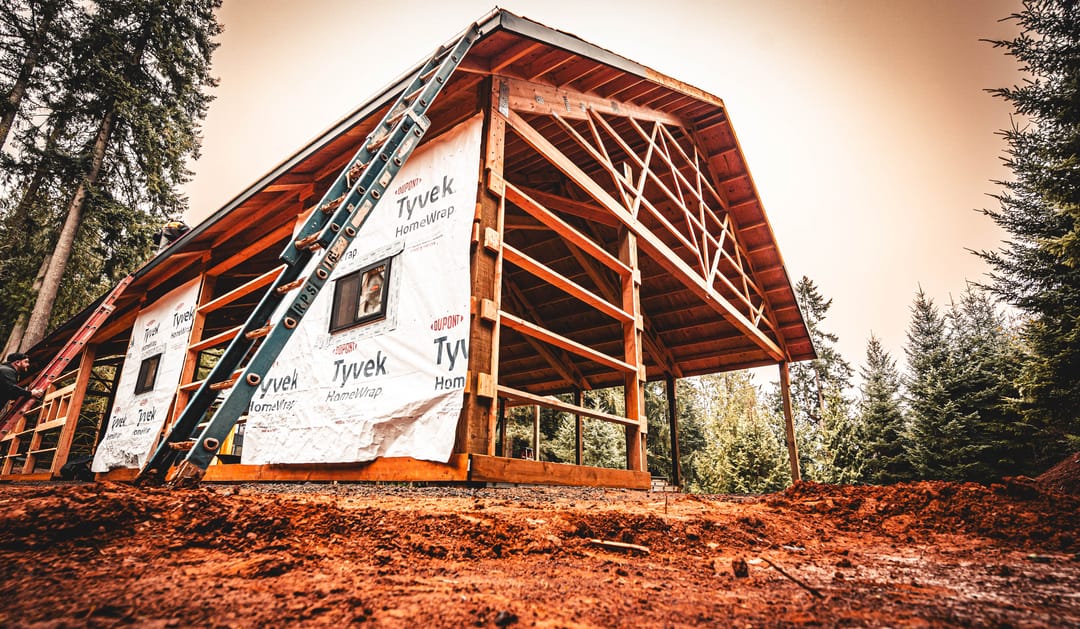
A contractor-built barndominium takes 6 to 12 months of actual construction, and 12 to 18 months from your first design meeting to move-in day. The steel shell itself goes up in 1 to 3 weeks, which is why so many marketing pages quote absurdly short timelines. The shell is maybe 15 percent of the work.
Key takeaways
- Total timeline, design to move-in: 12 to 18 months for most contractor-led builds. Construction alone runs 6 to 12 months.
- Pre-construction (land, design, permits, financing) eats 3 to 6 months before anyone digs. Most people forget to count it.
- Kit lead times run 10 to 16 weeks from deposit to delivery, per published supplier timelines. Order early, change nothing after ordering.
- The 3 biggest delays are late material orders (cabinets, windows, HVAC), mid-build design changes, and permit surprises.
- Owner-builders should double the construction estimate: 12 to 24 months is realistic.
- A fast shell does not mean a fast house. Interior finish-out is the longest phase, not framing.
How long does it take to build a barndominium?
Plan on 12 to 18 months from the day you start designing to the day you move in. Published builder timelines cluster tightly here: FBi Buildings quotes 9 to 14 months from first design conversation to move-in, several Texas builders quote 6 to 12 months for construction, and turnkey projects that include design and site work commonly land at 12 to 18 months.
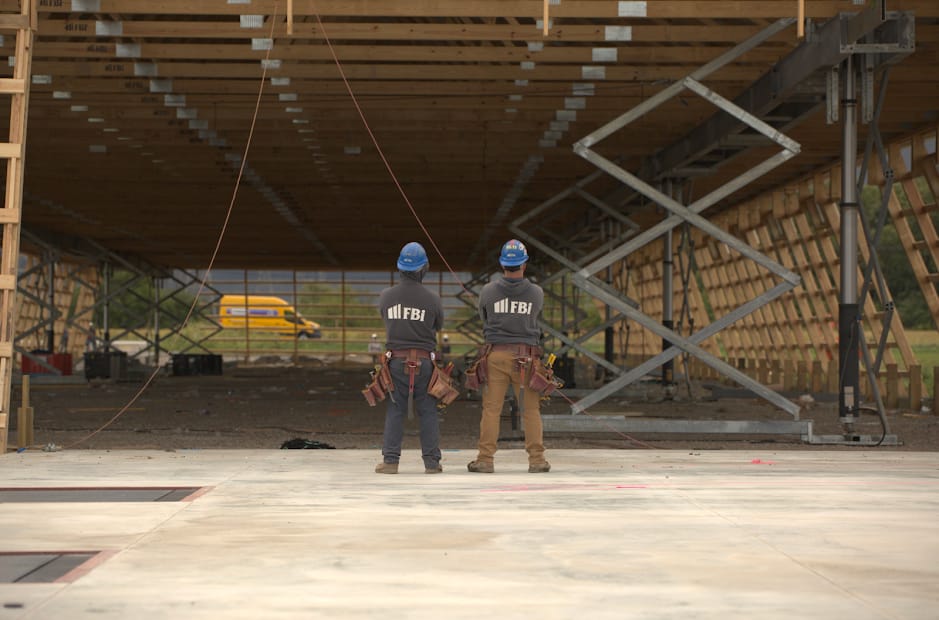 Photo: FBi Buildings, Inc.
Here's the honest version of the math. Construction is the middle third of the project. Before it comes land work, design, engineering, permits, and financing. After it come final inspections, punch lists, and the occupancy certificate. Anyone quoting you a total timeline that only counts construction is selling you the shell schedule.
If you want the money side of this same picture, our cost tables break out turnkey and shell pricing by state.
What happens before construction starts?
Pre-construction takes 3 to 6 months, and it starts the clock long before a slab gets poured. This phase has 4 jobs, and they overlap. We walk each step in detail in our permits-to-punch-list guide.
Design and engineering: 1 to 2 months. Floor plan, structural engineering, mechanical layouts, and permit-ready stamped drawings. FBi Buildings notes that clients who show up with a clear vision and answer questions within 48 hours can finish design in 8 weeks. Clients who redesign the kitchen 3 times do not.
Permits: 2 to 8 weeks, sometimes more. Rural counties in Texas or Oklahoma may approve in days. Counties with zoning reviews, septic permits, or floodplain questions can take 2 to 3 months. Some inspectors have never seen a residential steel building and will want extra documentation.
Financing: 1 to 2 months. Construction loans for barndominiums take longer than standard mortgages because many lenders are not familiar with steel-frame homes. Stamped engineering drawings help. Farm credit lenders and local banks tend to move faster than national lenders on these. Our financing overview covers the lender types worth calling first.
Kit ordering, if you're using one: 10 to 16 weeks lead time. Renegade Steel Buildings publishes a breakdown of 2 to 4 weeks for engineering, 6 to 10 weeks for manufacturing, and 1 to 2 weeks for delivery. That clock can run parallel with permits and site work if you sequence it right. Lead times vary by supplier, and our kit manufacturer rankings compare them side by side.
How long does each construction stage take?
Site work through final inspection runs 6 to 12 months, and the finish-out phase is the longest single stretch. The table below is built from published builder timelines and is a planning estimate, not a quote. Your soil, your county, and your change orders will move these numbers.
| Stage | Typical duration | What stretches it |
|---|---|---|
| Site prep and utilities | 2 to 4 weeks | Rock, poor drainage, long driveway, well and septic |
| Foundation (slab) | 2 to 4 weeks | Weather, cure time, engineered fill |
| Shell erection | 1 to 3 weeks | Crew availability, building complexity |
| Roof, doors, windows (dried in) | 2 to 4 weeks | Window lead times |
| Rough-in (plumbing, electric, HVAC) | 4 to 8 weeks | Sub scheduling, inspection queues |
| Insulation and drywall | 3 to 6 weeks | Spray foam scheduling, texture and paint |
| Interior finish-out | 8 to 16 weeks | Cabinets, flooring, tile, trim, fixtures |
| Final inspections and punch list | 2 to 4 weeks | Failed inspections, backordered fixtures |
Add those up and the middle of each range gives you roughly 8 months of construction. That matches what builders actually quote, which should tell you the ranges are honest.
One line item deserves its own warning: custom cabinetry alone can take 10 to 16 weeks from order to install. If your builder orders cabinets when drywall goes up, your house will sit finished-except-the-kitchen for 2 months. Good builders order cabinets, windows, and HVAC equipment before the slab cures.
Why does the shell go up fast but the house take a year?
Because a shell is steel and bolts, and a house is 30 subcontractors in a scheduling knot. The erection crew that stands your frame in 2 weeks is doing repeatable work from stamped drawings. Everything after dry-in depends on plumbers, electricians, HVAC techs, insulators, drywallers, painters, tile setters, and trim carpenters showing up in the right order, passing inspections between stages.
This is also why we're skeptical of kit and shell marketing that leans on the 7-day shell story. It's true, and it's misleading. A shell in 7 days gets you a very nice steel barn. The 720 people a month searching how long it takes to build a barndominium want to know when they can sleep in it, and that answer is measured in months of interior work, not days of steel erection.
It's the same pattern we flag on pricing: a turnkey quote under $100 per square foot is usually a shell quote wearing a costume. Timeline claims work the same way. Always ask what the quoted number includes, in writing.
What slows barndominium builds down the most?
Three things cause most of the slippage: late material orders, mid-build design changes, and weather stacking. Builder post-mortems are consistent on this, and so are the owner regrets we collect.
Late material orders. Cabinets, windows, garage doors, and HVAC equipment all carry lead times of 6 to 16 weeks. Any of them ordered late becomes the critical path.
Design changes after construction starts. Moving a wall after rough-in means redoing plumbing and electrical, re-inspecting, and re-scheduling subs who have moved on to other jobs. A 1-week change can cost 4 weeks of calendar.
Weather and trade stacking. Concrete and site work are weather-dependent. A wet spring pushes the slab, which pushes the shell crew, which pushes every sub behind them. Builds that start pre-construction in fall and pour in early spring tend to dodge the worst of it.
Add 2 more from the financing side: slow construction-loan draws can idle a jobsite while the builder waits to get paid, and appraisal problems on unusual buildings can stall closings before you ever start.
Kit vs shell vs turnkey: which is fastest?
Turnkey with 1 experienced barndominium builder is usually the fastest path to move-in, even though it looks slower on paper. One contract, one schedule, one party responsible for ordering long-lead materials on time. Expect 12 to 18 months total. Our shell vs turnkey breakdown compares the three routes on cost as well as speed.
A kit plus your own general contractor can match that if your GC has done metal buildings before. If they haven't, expect friction at the shell-to-interior handoff and with inspectors.
Owner-builder is the slowest and the cheapest. Plan on 12 to 24 months of construction. You'll save real money on GC markup, and you'll pay for it in nights, weekends, and scheduling headaches. Be honest with yourself about which currency you have more of.
Whatever route you pick, vet the builder's actual barndominium track record, not their general construction record. Our directory tracks 335 barndominium-specific builders across 40 states for exactly this reason.
Does the timeline change by state?
Yes, mostly through permitting and weather, not construction speed. The framing crew works at the same pace in Ohio as in Texas. What changes is everything around them.
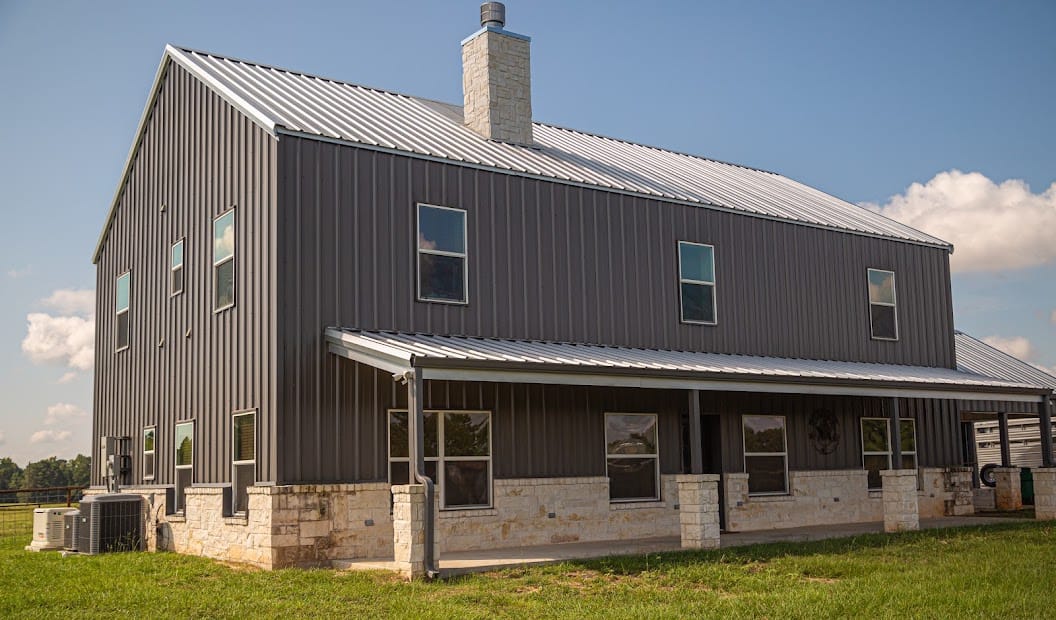 Photo: 1845 Barndominiums
Texas and Oklahoma have large rural areas with minimal permitting, deep pools of experienced barndo builders, and long building seasons. These are the easiest states to hit the fast end of the range. Tennessee and much of the Southeast are similar outside metro counties. Northern states like Michigan compress the concrete and site-work season into roughly April through November, so a missed spring slab can slide your whole project a season.
Cost and timeline travel together, too. Our directory estimates put Texas turnkey at $140 to $210 per square foot and Oklahoma at $130 to $195, pending verified quotes, and the same builder depth that keeps prices competitive in those states also keeps schedules tighter. Full state-by-state numbers are on the cost page.
How do you shorten the timeline?
Finish every decision before construction starts, then stop deciding. That's most of it. In practical terms:
- Lock the floor plan, then order the kit. Changes during manufacturing add weeks.
- Order cabinets, windows, garage doors, and HVAC equipment while the slab is being poured, not after drywall.
- Call the county about permits before you close on land. A 2-month permit surprise is cheap to discover early and expensive to discover late.
- Line up your construction loan with a lender who has closed barndominium loans before. Ask them directly how many they've done.
- Pick a builder who builds barndominiums monthly, not occasionally. Their sub network and supplier accounts are the schedule.
Ready to get real timelines from real builders?
Estimates are useful, but a builder who works your county can give you an actual schedule against your actual lot. Ask 2 or 3 of them the same questions: total time from contract to occupancy, what's included, and when long-lead materials get ordered. The answers tell you who runs a tight job. Request quotes and we'll match you with barndominium builders in your state.
Common questions
Can a barndominium be built in 3 months?
The shell can, the house can't. An experienced crew can erect a steel shell in 1 to 3 weeks, and a simple shell project can wrap in 2 to 3 months. A finished, livable barndominium with plumbing, HVAC, drywall, and inspections almost always needs 6 months or more of construction time, plus months of permitting and design before that.
How long does a barndominium kit take to arrive?
Plan on 10 to 16 weeks from engineering deposit to delivery. Published kit-supplier timelines break that into 2 to 4 weeks of engineering, 6 to 10 weeks of manufacturing, and 1 to 2 weeks for shipping. Order the kit only after your design is final, because changes during production add weeks and cost.
Is a barndominium faster to build than a regular house?
Somewhat, and mostly at the framing stage. A pre-engineered steel or post-frame shell goes up in weeks instead of the months stick framing can take, so you get a dried-in structure sooner. The interior work, utilities, permits, and inspections run on the same clock as any custom home, which is why the total timeline is still commonly 12 to 18 months.
How long do permits take for a barndominium?
Typically 2 to 8 weeks, but the spread is wide. Rural counties with light code enforcement can approve in days. Counties with zoning reviews, septic approvals, or unfamiliarity with metal residential buildings can take 2 to 3 months. Call your county building department before you buy land, not after.
How long does it take to build a barndominium yourself?
Owner-builders should plan on 12 to 24 months of construction, roughly double a contractor-led build. You are scheduling subs around your day job, learning inspections as you go, and doing finish work on nights and weekends. It saves real money, but time is the price.
Ready to price your build?
Fill out one form. We send it to builders who work in your area. It costs nothing.
Request quotes